
This article explores the richness of dark chocolate in baking. And use them to create decadent delicious Chocolate desserts
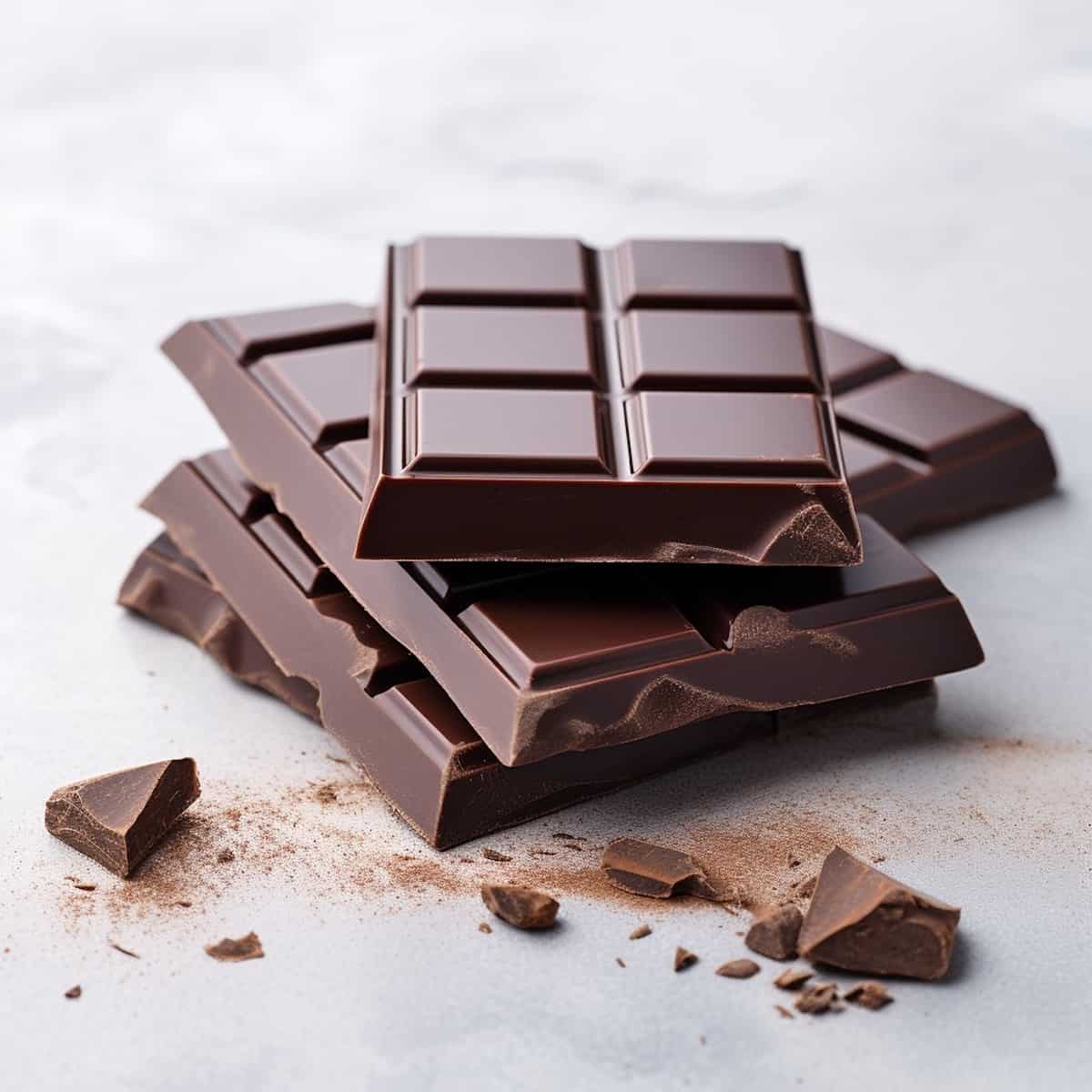
The History of Dark Chocolate in Baking: From Ancient Times to Modern Uses
Dark chocolate has a rich history in the realm of baking, dating back to ancient times. The Mayans and Aztecs were among the first civilizations to cultivate cacao beans and use them to create a bitter beverage. They believed that this elixir possessed mystical and energizing properties, often reserving it for nobility and religious ceremonies.
Over time, the popularity of dark chocolate in baking spread to Europe, where it transformed. In the 18th and 19th centuries, advancements in processing techniques led to the creation of solid chocolate bars and other confections. Bakers soon recognized the unique flavor and versatility of dark chocolate, incorporating it into cakes, pastries, and desserts of all kinds.
Today, dark chocolate continues to be a beloved ingredient in baking, valued not only for its taste but also for its health benefits. The journey of dark chocolate from ancient civilizations to modern-day culinary delights is a testament to its enduring appeal and the creativity of bakers throughout history.
Understanding the Different Types of Dark Chocolate for Baking: Cocoa Percentages and Varieties
Dark chocolate is a versatile ingredient that adds richness and depth to baked goods. When it comes to baking with dark chocolate, understanding the different types and cocoa percentages is essential. Cocoa percentage refers to the amount of cocoa solids in the chocolate, with higher percentages indicating a more intense flavor.
One type of dark chocolate commonly used in baking is bittersweet chocolate, which typically has a cocoa percentage of around 70%. It is known for its robust flavor and slightly bitter taste, making it ideal for recipes that call for a bold chocolate presence. Another popular option is semisweet chocolate, which has a slightly lower cocoa percentage of around 55%. This type of chocolate offers a slightly sweeter taste and is often favored for recipes where a balance between sweetness and bitterness is desired.
In addition to cocoa percentages, there are also various varieties of dark chocolate to choose from. Single-origin dark chocolate is made from cocoa beans sourced from one specific region, resulting in unique flavor profiles. On the other hand, blended dark chocolate combines beans from multiple regions to create a harmonious blend of flavors. The choice between single-origin and blended chocolate depends on personal preference and the desired taste in the final baked goods.
The Health Benefits of Dark Chocolate in Baking: Antioxidants and Nutritional Value
Dark chocolate has gained popularity not just for its rich and intense flavor but also for its potential health benefits. One of the key reasons why dark chocolate is considered a healthier option compared to its milk counterpart is its high antioxidant content. Antioxidants help protect our cells from damage caused by harmful molecules called free radicals, which can contribute to various health issues like heart disease and cancer.
In addition to its antioxidant properties, dark chocolate also contains several essential nutrients. It is a good source of minerals such as iron, magnesium, and copper. Iron is vital for transporting oxygen in our body, while magnesium plays a crucial role in maintaining healthy nerve and muscle function. Copper, on the other hand, supports the production of red blood cells and collagen formation. These nutritional components make dark chocolate a not only delicious but also a nutritious addition to your baked goods.
Enhancing Flavor and Texture: Using Dark Chocolate in Various Baked Goods
Dark chocolate is not only a beloved treat but also a versatile ingredient that can greatly enhance the flavor and texture of various baked goods. Its rich, bittersweet taste adds depth and complexity to desserts, while its smooth, velvety texture creates a delightful melt-in-your-mouth experience. Whether it's in cookies, cakes, or puddings, brownies, dark chocolate can take your baked goods to the next level.
In cookies, dark chocolate chunks or chips can transform a simple dough into a decadent treat. As the cookies bake, the chocolate melts, creating pockets of gooey deliciousness. The intense flavor of dark chocolate perfectly complements the sweetness of the cookies, providing a delightful contrast that will have everyone reaching for seconds.
Additionally, the slightly bitter notes of dark chocolate help balance the overall sweetness of the cookie, resulting in a more nuanced and well-rounded flavor profile.
Dark Chocolate Pairings: Exploring Complementary Flavors in Baking
When it comes to baking with dark chocolate, exploring complementary flavors can elevate your creations to a whole new level of deliciousness. Dark chocolate's rich and intense flavor profile lends itself well to a variety of other ingredients, creating an array of mouthwatering pairings.
Dark Chocolate and Berries
One classic pairing is dark chocolate with berries, such as raspberries or strawberries. The tartness of the berries beautifully cuts through the sweetness of the chocolate, creating a harmonious balance of flavors. Whether incorporated into cakes, tarts, or cookies, this combination is sure to impress.
Dark chocolate and Nuts
Another delightful pairing is dark chocolate with nuts. The earthy and nutty notes of almonds, hazelnuts, or pecans complement the deep and slightly bitter taste of dark chocolate. From indulgent brownies to crispy cookies, the addition of nuts adds a satisfying crunch and enhances the overall taste experience.
Dark chocolate and citrus flavours
In the world of dark chocolate pairings, exploring options like citrus fruits can also yield delightful results. The bright and zesty flavors of oranges, lemons, or even grapefruits provide a refreshing contrast to the richness of dark chocolate. Whether in a tangy tart or a moist cake, the combination of these two elements creates a flavor profile that is both vibrant and comforting.
But the adventure doesn't stop there. Dark chocolate's versatility opens up possibilities for pairing it with spices, such as cinnamon, cardamom, or chili. These warm and aromatic spices add depth and complexity to the chocolate, making it an excellent choice for flavor-packed desserts like Mexican hot chocolate cookies or a spiced dark chocolate mousse.
In conclusion, the world of dark chocolate pairings is vast and exciting, offering countless opportunities to create unique and memorable baked goods. With a little experimentation and creativity, you can uncover your own perfect flavor combinations and take your baking to new heights. So go ahead, explore and indulge in the harmonious dance between dark chocolate and complementary flavors.
Tips for Properly Melting Dark Chocolate: Techniques and Common Mistakes to Avoid
Techniques for Properly Melting Dark Chocolate
Melting dark chocolate may seem like a simple task, but there are a few techniques that can ensure the best results. One commonly used method is the double boiler method. This involves filling a pot with a small amount of water and placing a heatproof bowl on top. The water in the pot is heated to a simmer, gently melting the chocolate in the bowl above without direct heat. This technique prevents the chocolate from becoming overheated or scorched, which can lead to a grainy texture or a burnt taste.
Another technique for melting dark chocolate is the microwave method. This method is quick and convenient, but it requires careful monitoring to avoid overheating. Start by cutting the chocolate into small, even pieces to ensure even melting. Place the chocolate in a microwave-safe bowl and heat it in short increments, stirring well after each interval. This allows the chocolate to melt evenly and prevents it from burning. It's important to keep a close eye on the chocolate as it melts, as microwaves vary in power and heat quickly. By following these techniques, you can properly melt dark chocolate for all your baking needs.
Common Mistakes to Avoid when Melting Dark Chocolate
While melting dark chocolate may seem straightforward, there are a few common mistakes that can lead to less-than-ideal results.
One of the most common mistakes is getting water or moisture into the chocolate. Even a small drop of water can cause the chocolate to seize, resulting in a clumpy and unusable texture. To avoid this, make sure all equipment and utensils are completely dry before working with the chocolate.
Another mistake to avoid is overheating the chocolate. Dark chocolate has a lower melting point than milk or white chocolate, so it can easily become overheated if not monitored closely. Overheated chocolate can become grainy or scorched, affecting both the texture and taste of your final product. To prevent this, always melt chocolate on low heat and use gentle techniques, such as the double boiler or microwave method mentioned earlier.
By being mindful of these common mistakes and employing proper techniques, you can successfully melt dark chocolate for all your baking endeavors. Whether you're creating decadent cakes, fudgy brownies, or creamy mousses, properly melted dark chocolate will add richness and depth, elevating your baked goods to a new level of deliciousness.
Incorporating Dark Chocolate into Cookies: Recipes and Techniques for Irresistible Treats
Dark chocolate is a versatile ingredient that can add a rich and indulgent flavor to your cookies. Whether you prefer classic chocolate chip cookies or want to experiment with unique flavor combinations, incorporating dark chocolate can take your cookies to the next level of deliciousness.
One popular recipe for dark chocolate cookies involves using a combination of melted dark chocolate and cocoa powder. This combination creates a deep, intense chocolate flavor that is perfect for true chocolate lovers. Simply melt the dark chocolate and let it cool slightly before adding it to your cookie dough. Be sure to mix it well to ensure that the chocolate is evenly distributed throughout the dough. Additionally, adding some chopped dark chocolate chunks to the dough will create pockets of melted chocolate throughout the cookies, resulting in a gooey and decadent treat.
Decadent Dark Chocolate Cakes: Recipes and Tips for Achieving Moistness and Richness
Decadent Dark Chocolate Cakes: Recipes and Tips for Achieving Moistness and Richness
When it comes to creating the perfect decadent dark chocolate cake, achieving moistness and richness is key. With the right combination of ingredients and techniques, you can elevate your cake to a whole new level of indulgence. Here are some recipes and tips to help you achieve that moist and rich texture in your dark chocolate cakes.
One important tip is to use high-quality dark chocolate with a cocoa percentage of at least 70%. This will ensure a deep, intense chocolate flavor in your cake. Additionally, you can enhance the richness by adding a touch of espresso powder or brewed coffee to the batter. The coffee intensifies the chocolate flavor and brings out its natural richness.
Another crucial aspect is the use of melted butter or oil instead of solid butter. This helps keep the cake moist and tender. Be sure to properly melt the butter or oil and incorporate it into the batter evenly. Overmixing can lead to a tougher texture, so gently fold the ingredients together until just combined.
To further enhance the moistness, consider adding in some buttermilk or sour cream. These ingredients add tanginess and moisture to the cake, resulting in a tender crumb. You can also use vegetable or fruit puree, such as applesauce or mashed bananas, to increase the moisture content.
Incorporating these tips and following tried-and-true recipes will allow you to create decadent dark chocolate cakes that are wonderfully moist and rich. Experiment with different variations and additions to find your own perfect balance of flavors. So go ahead, indulge in the blissful combination of dark chocolate and moistness that will leave every chocolate lover craving for more.
Dark Chocolate in Pies and Tarts: Creating Indulgent Desserts with a Deep Chocolate Flavor
The rich, indulgent flavor of dark chocolate is the perfect addition to pies and tarts, creating desserts with a deep chocolate taste that is hard to resist. Whether used as a filling or incorporated into the crust, dark chocolate adds a luxurious touch to these classic treats.
When it comes to using dark chocolate in pies and tarts, there are endless possibilities. From traditional chocolate silk pie to decadent chocolate ganache tarts, the options are truly mouthwatering. Dark chocolate can be melted and combined with other ingredients to create a smooth, velvety filling, or it can be grated or chopped and added as chunks for a more textured experience. Whatever method you choose, the result will be a dessert that is both rich and satisfying, with a depth of flavor that only dark chocolate can provide.
Additionally, dark chocolate pairs well with a variety of other flavors, allowing you to get creative with your pies and tarts. Raspberry, mint, caramel, and even spices like cinnamon and chili can all complement the deep chocolate flavor and take your dessert to the next level. Whether you're making a classic chocolate tart or experimenting with unique flavor combinations, using dark chocolate in pies and tarts is sure to result in an indulgent treat that will delight any chocolate lover.
Dark Chocolate in Brownies and Bars: Achieving the Perfect Balance of Fudginess and Bittersweetness
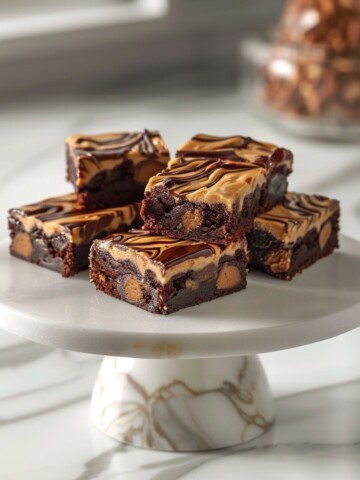
Brownies and bars are beloved treats that indulge the senses with their rich and decadent flavors. By incorporating dark chocolate into these baked goods, you can elevate the taste experience to a whole new level. Dark chocolate's intense and slightly bitter notes add depth and complexity, balancing the sweetness of the brownie or bar. Achieving the perfect balance of fudginess and bittersweetness is key to creating a truly indulgent dessert.
To achieve the desired texture and flavor, it is important to select high-quality dark chocolate with a cocoa percentage that suits your taste preferences. Dark chocolate with a higher cocoa percentage will have a more intense and less sweet flavor. If you prefer a stronger chocolate taste, opt for dark chocolate with at least 70% cocoa. However, if you prefer a milder taste, a lower cocoa percentage, such as 60%, may be more suitable. Experiment with different varieties of dark chocolate, such as semi-sweet or bittersweet, to find the perfect balance for your brownies and bars.
Dark Chocolate in Puddings and Mousses: Creating Creamy and Luxurious Desserts
Puddings and mousses are delightful desserts that can be made even more indulgent with the addition of dark chocolate. The creamy and luxurious texture of these desserts pairs perfectly with the rich and bittersweet flavor of dark chocolate. Whether you're looking to create a classic chocolate pudding or a fluffy chocolate mousse, incorporating dark chocolate will take your dessert to the next level.
When it comes to creating creamy and luxurious puddings and mousses, it's important to choose the right type of dark chocolate. Opt for a high-quality dark chocolate with a cocoa percentage between 60% and 70%. This range allows for a perfect balance of sweetness and bitterness, resulting in a decadent dessert. Additionally, consider the variety of dark chocolate you're using. Different varieties can have distinct flavors and nuances, so experiment with different options to find the one that best complements your recipe.
Dark Chocolate in Pastries and Confections: Elevating Your Baking Skills with Complex Flavors
When it comes to pastries and confections, dark chocolate has the power to take your baking skills to the next level. Its complex flavors add depth and richness to any sweet treat, making it a favorite ingredient among pastry chefs. From delicate macarons to luscious truffles, incorporating dark chocolate into these creations elevates them to new heights of decadence.
One of the reasons dark chocolate is so versatile in pastries and confections is its ability to pair well with a variety of flavors. Its slightly bitter notes complement the sweetness of fruits like berries or citrus, creating a harmonious balance of tastes. Additionally, dark chocolate can enhance the flavors of spices such as cinnamon or nutmeg, adding an extra layer of complexity to your baked goods. Whether you're making a chocolate tart or a batch of chocolate-dipped strawberries, the inclusion of dark chocolate will undoubtedly elevate the flavors and impress your taste buds.
Exploring
Dark chocolate is a versatile ingredient that can be found in various baked goods, adding an intense flavor to each creation. In this section, we will explore the different ways in which dark chocolate can be incorporated into a wide range of desserts, tantalizing your taste buds and satisfying your cravings. From cookies to cakes, pies to puddings, and pastries to confections, there is no limit to the indulgent possibilities that dark chocolate brings to the table.
One of the most popular ways to incorporate dark chocolate into baking is by using it in cookies. Whether you prefer chewy or crispy cookies, the addition of dark chocolate chunks or chips provides an irresistible burst of bittersweetness in every bite. From classic chocolate chip cookies to decadent double chocolate cookies, the rich and intense flavor of dark chocolate takes these treats to a whole new level. With countless variations and recipes available, you can easily find the perfect dark chocolate cookie to satisfy your sweet tooth.
What is the history of dark chocolate in baking?
Dark chocolate has been used in baking since ancient times. It was first consumed as a bitter beverage by the Mayans and Aztecs, and later, Europeans began incorporating it into their baked goods during the Renaissance.
How do different types of dark chocolate affect baking?
The cocoa percentage and variety of dark chocolate can greatly impact the flavor and texture of baked goods. Higher cocoa percentages result in a more intense and bitter taste, while different varieties, such as single-origin or flavored dark chocolate, add unique nuances to the final product.
Are there any health benefits to using dark chocolate in baking?
Yes, dark chocolate is rich in antioxidants and has been associated with various health benefits. It can improve heart health, lower blood pressure, and boost mood. However, moderation is key due to its calorie content.
How can dark chocolate enhance the flavor and texture of baked goods?
Dark chocolate adds depth and richness to baked goods, and its natural fats can contribute to moistness. It also provides a pleasant contrast to sweeter ingredients and can create a fudgy or chewy texture in cookies, cakes, and brownies.
What flavors pair well with dark chocolate in baking?
Dark chocolate pairs well with a variety of flavors, including fruits like raspberries and oranges, nuts like almonds and hazelnuts, spices like cinnamon and chili, and even certain spirits like coffee, bourbon, or red wine.
What are some tips for melting dark chocolate properly?
To melt dark chocolate, chop it into small pieces for even melting, use a double boiler or microwave in short intervals, stirring frequently. Avoid overheating, as it can cause the chocolate to seize or become grainy. Make sure all utensils and bowls are dry, as moisture can also affect the texture.
How can I incorporate dark chocolate into cookies?
Dark chocolate can be added to cookie dough by chopping it into chunks or using chocolate chips. It can be mixed into the dough or pressed on top before baking. Recipes often call for semi-sweet or bittersweet chocolate to balance the sweetness of the cookie.
How can I achieve moist and rich dark chocolate cakes?
To achieve moist and rich dark chocolate cakes, use high-quality dark chocolate, add a hint of espresso or brewed coffee to enhance the chocolate flavor, and consider adding buttermilk or sour cream to the batter for extra moisture.
How can I create indulgent pies and tarts with a deep chocolate flavor?
For indulgent pies and tarts with a deep chocolate flavor, use a chocolate cookie or graham cracker crust, fill it with a rich dark chocolate ganache or mousse, and top it with whipped cream, fresh berries, or a drizzle of chocolate sauce.
How can I achieve the perfect balance of fudginess and bittersweetness in brownies and bars?
To achieve the perfect balance of fudginess and bittersweetness in brownies and bars, use a combination of melted dark chocolate and cocoa powder in the batter, and adjust the amount of sugar and baking time to achieve the desired texture.
How can I create creamy and luxurious puddings and mousses using dark chocolate?
To create creamy and luxurious puddings and mousses using dark chocolate, melt the chocolate with heated cream or milk, and then incorporate it into a custard base. Allow the mixture to chill and set in the refrigerator before serving.
How can I elevate my baking skills with complex flavors in pastries and confections using dark chocolate?
To elevate your baking skills with complex flavors in pastries and confections, experiment with combining dark chocolate with ingredients like spices, nuts, dried fruits, or even savory elements like sea salt or herbs. Consider trying recipes for truffles, chocolate croissants, or chocolate-dipped fruit.


Leave a Reply