
Learn to use coconut flour in baking. Bake using coconut flour for healthy and gluten free desserts and bakes.
Coconut flour serves as a versatile substitute for wheat flour, allowing those with dietary restrictions to still enjoy delicious baked goods without compromising their health. Furthermore, using coconut flour can provide a unique and slightly sweet flavor to your baked goods, adding a tropical twist to your favorite recipes

Coconut flour has gained popularity among home bakers and health-conscious individuals alike for its numerous benefits in baking. One of the key advantages of using coconut flour is its high fiber content. Compared to traditional flours, coconut flour contains significantly more fiber, which can help promote a healthy digestive system and keep you feeling fuller for longer. Additionally, the fiber in coconut flour can aid in regulating blood sugar levels, making it a suitable option for those with diabetes or those looking to cut back on refined carbohydrates.
Another benefit of using coconut flour in baking is its gluten-free nature. This makes it an excellent choice for individuals who follow a gluten-free diet, whether due to gluten intolerance or celiac disease.
. So, whether you're looking to improve your overall health or cater to specific dietary needs, incorporating coconut flour into your baking repertoire may just be the perfect solution.
How Coconut Flour Is Made
Coconut flour is made from the dried, ground meat of the coconut. The process begins by extracting the white flesh from the mature coconuts. The flesh is then carefully dried and ground into a fine powder, resulting in the versatile coconut flour we know and love.
To make coconut flour, the coconut meat undergoes a thorough drying process to remove the moisture content. Once dried, the meat is finely ground into a powder using specialized equipment. The result is a light and fluffy flour with a slightly sweet and nutty flavor that adds a unique touch to baked goods.
Unlike other types of flour, coconut flour is naturally gluten-free, making it an excellent option for those with gluten sensitivities or celiac disease. It is also rich in fiber and contains beneficial nutrients like iron and healthy fats. The production process preserves these nutrients, ensuring that coconut flour retains its nutritional value even after processing.
In the next section, we will discuss the nutritional profile of coconut flour and dive deeper into its health benefits.
Understanding the Nutritional Profile of Coconut Flour
Coconut flour is not only a delicious alternative for baking, but it also offers numerous health benefits. One of the most appealing aspects of coconut flour is its high fiber content. In just a ¼ cup serving, coconut flour contains about 10 grams of fiber, which is almost 40% of the recommended daily intake for adults. This makes it a great option for those looking to increase their fiber intake and promote healthy digestion. Additionally, coconut flour is rich in protein, making it a suitable choice for those following a vegetarian or vegan diet. This plant-based protein source can help support muscle growth and repair. Furthermore, coconut flour is naturally gluten-free, making it a must-try option for individuals with gluten sensitivities or celiac disease.
Besides its impressive nutritional profile, coconut flour provides a unique flavor and texture to baked goods. When mixed with other ingredients, coconut flour adds a subtly sweet and nutty taste that can enhance the overall flavor of your creations. Its fine texture also helps to create light and fluffy baked goods. However, it is worth noting that coconut flour is highly absorbent, so it requires more liquid than traditional flours. This can be easily adjusted by adding extra moisture or increasing the amount of eggs in the recipe. By understanding the nutritional profile and characteristics of coconut flour, you can confidently incorporate it into your baking endeavors and enjoy all its benefits.
Tips for Baking with Coconut Flour
Using coconut flour in baking is a great way to add a unique flavor and texture to your favorite recipes. However, it can be a bit tricky to work with if you're not familiar with its properties. Here are a few tips to help you achieve the best results when baking with coconut flour.
First, it's important to note that coconut flour absorbs more liquid than traditional flours. This means you may need to adjust the amount of liquid in your recipes accordingly. It's generally recommended to use about ¼ to ⅓ cup of coconut flour for every cup of regular flour called for in a recipe. Additionally, you may need to increase the number of eggs or other binding ingredients to ensure your baked goods hold together properly.
Another tip for baking with coconut flour is to sift it before using. This will help remove any lumps and ensure a smoother texture in your final product. Additionally, coconut flour tends to clump easily, so it's a good idea to whisk it with other dry ingredients before adding any liquids. This will help distribute it more evenly throughout the batter and prevent any lumps from forming. Finally, be sure to give your batter plenty of time to rest before baking. Coconut flour absorbs moisture as it sits, so allowing the batter to sit for a few minutes will help it thicken up and give your baked goods a better texture.
Substituting Coconut Flour for Other Flours in Recipes
When it comes to substituting coconut flour for other flours in recipes, it is important to understand that coconut flour behaves quite differently. Due to its high fiber content, coconut flour absorbs a significant amount of liquid, which can result in a drier and denser texture in baked goods. Therefore, it is crucial to make a few adjustments to achieve the desired results.
Firstly, it is important to note that coconut flour cannot be substituted in a one-to-one ratio with other flours. In general, you will need to use less coconut flour and more liquid. A good rule of thumb is to use about ¼ to ⅓ cup of coconut flour for every cup of regular flour and to increase the liquid content by about a third. Additionally, it is advisable to add more eggs or other binding agents to improve the structure and moisture retention of the baked goods. It may take some trial and error to find the perfect balance, so don't be discouraged if your first attempts don't turn out as expected.
How to Achieve the Right Texture with Coconut Flour
Achieving the right texture when baking with coconut flour can be a bit tricky, especially for those who are new to using this unique ingredient. Coconut flour is highly absorbent and can result in baked goods that tend to be dense and dry if not properly balanced. However, with a few helpful tips and techniques, you can achieve light, moist, and delicious goodies with coconut flour.
Firstly, it's important to note that coconut flour absorbs liquid much more than regular wheat flour. Therefore, it is crucial to adjust the liquid content in your recipes accordingly. You may need to increase the number of eggs or add additional liquids such as coconut milk, almond milk, or even water to achieve the desired consistency. Experimentation is key to finding the right balance for your specific recipe. Additionally, it is advisable to let the batter or dough sit for a few minutes after mixing. This gives the coconut flour time to absorb the liquid and thicken the mixture, resulting in a better texture in the final product.
Delicious Recipes Using Coconut Flour
Coconut flour is a versatile ingredient that can be used in a variety of delicious recipes. Its unique texture and flavor make it a popular choice for those following a gluten-free or grain-free diet. Whether you're looking to make sweet treats or savory dishes, coconut flour can add a delightful twist to your favorite recipes.
One recipe that you must try is coconut flour pancakes. These fluffy pancakes are not only gluten-free but also packed with flavor. Simply combine coconut flour, eggs, almond milk, and a touch of honey to create a batter that is both light and satisfying. Cook the pancakes on a griddle until golden brown, and serve with fresh fruits and a sprinkle of shredded coconut for an extra tropical twist.
Another delightful recipe is coconut flour chocolate chip cookies. These cookies are chewy, moist, and loaded with chocolate goodness. To make them, mix coconut flour, coconut oil, eggs, honey, and vanilla extract together until well combined. Stir in a generous amount of chocolate chips and drop spoonfuls of dough onto a baking sheet. Bake until golden brown, and enjoy the heavenly aroma that fills your kitchen. These cookies are irresistible and perfect for those looking for a healthier alternative to traditional chocolate chip cookies.
These are just a few examples of the countless delicious recipes you can create using coconut flour. Its unique properties add moisture, texture, and flavor to your baked goods, making them not only healthier but also incredibly delicious. Experiment with different flavors and combinations to discover the wonders of coconut flour in your baking adventures.
Coconut Flour Baking Techniques and Tips
Achieving the perfect texture when baking with coconut flour can be a bit tricky, but with the right techniques and tips, you can create delicious treats that are both moist and flavorful. One of the key things to keep in mind is that coconut flour absorbs more liquid than traditional flours. So, it's important to increase the amount of liquid ingredients in your recipe to compensate for this. Adding additional eggs or using a combination of eggs and other liquids like milk or yogurt can help to achieve the desired texture.
Another tip is to let the batter or dough rest for a few minutes before baking. This allows the coconut flour to absorb the liquid even more, resulting in a better consistency. Additionally, coconut flour tends to give baked goods a denser and heavier texture. To counteract this, you can try adding a leavening agent, such as baking soda or baking powder, to help the dough rise and create a lighter finished product. It's also important to note that because coconut flour is gluten-free, it can be more crumbly. To prevent this, consider adding a binder like xanthan gum or psyllium husk powder to help hold the ingredients together. With these techniques and tips in mind, you'll be well-equipped to master the art of baking with coconut flour.
Achieving Moisture in Baked Goods with Coconut Flour
Achieving Moisture in Baked Goods with Coconut Flour
Coconut flour is a versatile and nutritious alternative to traditional flours, especially for those following a gluten-free or grain-free diet. However, due to its high fiber content, coconut flour tends to absorb more moisture than other flours, which can result in dry and crumbly baked goods. To overcome this challenge and ensure moist and delicious treats, there are a few techniques you can employ.
Firstly, one effective way to add moisture when baking with coconut flour is to use additional liquid ingredients. This can include ingredients such as eggs, milk, or plant-based milk alternatives. The added moisture helps to counterbalance the absorbent nature of coconut flour and creates a softer, more tender texture in your baked goods. Additionally, incorporating ingredients like applesauce, mashed bananas, or yogurt can also contribute to the moisture content of your recipes. These ingredients not only add moisture but also infuse a delightful flavor into your treats. Experimenting and finding the right balance of liquids and other moisture-rich ingredients is key to achieving moist and mouthwatering baked goods with coconut flour.
Overcoming Common Challenges When Baking with Coconut Flour
When it comes to baking with coconut flour, there are a few common challenges that many people encounter. One of the main challenges is achieving the right texture in baked goods.
Coconut flour absorbs a lot of moisture, so it can easily result in dry and crumbly final products. To overcome this, it's important to increase the liquid ingredients in your recipes. You may need to add extra eggs, milk, or other liquids to balance out the absorption of coconut flour.
Another challenge when baking with coconut flour is the potential for a dense and heavy texture. Coconut flour doesn't contain gluten, which is the protein responsible for giving structure and elasticity to baked goods. To combat this, it's recommended to use a combination of coconut flour with other flours that contain gluten, such as almond flour or tapioca flour. This can help provide a better texture and prevent baked goods from becoming too dense. Additionally, adding leavening agents such as baking powder or baking soda can help create more lift and lightness in your recipes.
How to Store Coconut Flour Properly
Storing coconut flour properly is essential to maintain its freshness and prevent it from spoiling. The following are some tips to help you store coconut flour effectively:
1. Choose the right container: Transfer the coconut flour into an airtight container that is dry and clean. Make sure the lid is tightly sealed to prevent any moisture from entering.
2. Keep it in a cool, dry place: Coconut flour is sensitive to heat and humidity, so it is important to store it in a cool and dry area of your kitchen or pantry. Avoid placing it near the stove, dishwasher, or any other sources of heat.
3. Avoid exposure to sunlight: Sunlight can degrade the quality of coconut flour and reduce its shelf life. Store it in a cupboard or pantry where it is shielded from direct sunlight.
4. Check for signs of spoilage: Over time, coconut flour may develop a rancid smell or taste, indicating that it has gone bad. Before using the flour, always check for any signs of spoilage and discard if necessary.
By following these simple steps, you can ensure that your coconut flour stays fresh and ready to use whenever you need it. Proper storage will help preserve its quality and allow you to enjoy the many benefits of using coconut flour in your baking endeavors.
Exploring Different Flavors and Combinations with Coconut Flour
Coconut flour is a versatile ingredient that can be combined with various flavors to create delicious and unique baked goods. Its mild coconut flavor pairs well with both sweet and savory ingredients, making it a favorite among bakers who love to experiment with different flavors. When it comes to adding flavors to coconut flour-based recipes, the options are endless.
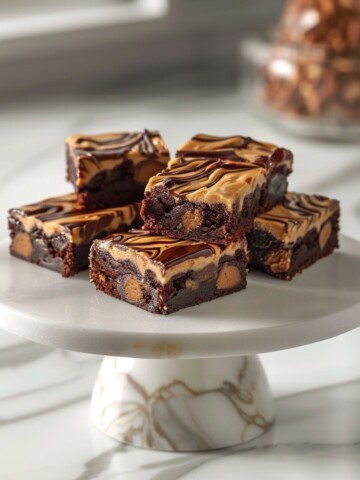
One popular combination is coconut flour with chocolate. The rich and sweet taste of chocolate complements the subtle nutty flavor of coconut flour, resulting in delectable treats like chocolate coconut cupcakes and coconut flour brownies. Another flavorful combination is coconut flour with citrus fruits. The bright and tangy notes of lemon or orange zest can add a refreshing twist to coconut flour cakes and muffins. For those who enjoy a hint of spice, combining coconut flour with warm spices like cinnamon, nutmeg, or ginger can create aromatic and flavorful baked goods.
The beauty of using coconut flour in baking is that it allows for endless creativity in combining flavors. From tropical fruit combinations like pineapple and coconut to classic pairings like coconut and vanilla, the possibilities are truly endless. Whether you prefer a subtle flavor combination or a bold and exotic mix, coconut flour can easily adapt to your taste preferences, making it a fantastic ingredient for those who love to explore different flavors in their baking adventures.
Coconut Flour Baking for Special Dietary Needs
Coconut flour has gained popularity among those with special dietary needs due to its unique properties and numerous health benefits. For individuals following a gluten-free diet, coconut flour serves as an excellent alternative to traditional flours, as it is naturally gluten-free. This makes it a great choice for those with celiac disease or gluten sensitivities. Additionally, coconut flour is also low in carbohydrates, making it suitable for individuals following a low-carb or ketogenic diet. Its high fiber content aids in digestion and may help regulate blood sugar levels. With its abundant nutrients, such as protein, healthy fats, and vitamins, coconut flour offers a versatile option for individuals with specific dietary requirements.
Moreover, coconut flour can be an ideal choice for individuals with nut allergies. Unlike almond or cashew flour, coconut flour is free from nuts, making it a safe option for those with nut allergies or restrictions. Substituting traditional flours with coconut flour in baking can open up a wide range of possibilities for individuals who otherwise would have limited choices. Its unique texture, when combined with other ingredients, can yield moist and delicious baked goods that cater to various dietary needs. Whether you're following a gluten-free, low-carb, or nut-free diet, coconut flour provides a nutritious and tasty option for baking a wide range of treats.
What are the benefits of using coconut flour in baking?
Coconut flour is high in fiber, protein, and healthy fats. It is also gluten-free, making it a suitable option for those with gluten sensitivities or celiac disease. Additionally, coconut flour is low in carbohydrates, making it a popular choice for those following a low-carb or keto diet.
How is coconut flour made?
Coconut flour is made from the dried and ground meat of mature coconuts. The coconut meat is first dried and then finely ground into a flour-like consistency.
What is the nutritional profile of coconut flour?
Coconut flour is rich in fiber and protein. It also contains essential vitamins and minerals such as iron, potassium, and manganese. However, it is important to note that coconut flour is higher in calories compared to other flours.
How can I substitute coconut flour for other flours in recipes?
Coconut flour is highly absorbent, so it cannot be substituted 1:1 for other flours. As a general rule, you'll need to use less coconut flour and increase the liquid and eggs in the recipe. It is best to follow a tried and tested recipe specifically designed for coconut flour to achieve the best results.
How can I achieve the right texture when baking with coconut flour?
Coconut flour tends to result in denser and moister baked goods. To achieve a lighter texture, it is recommended to combine coconut flour with other gluten-free flours such as almond flour or tapioca flour. Adding additional eggs or using baking powder can also help in achieving a better texture.
Are there any delicious recipes using coconut flour?
Yes, there are plenty of delicious recipes using coconut flour! Some popular options include coconut flour pancakes, coconut flour cookies, coconut flour muffins, and coconut flour bread. These recipes can be easily found online or in specialized cookbooks.
How can I achieve moisture in baked goods with coconut flour?
Coconut flour tends to absorb more liquid than other flours, which can result in drier baked goods. To increase moisture, you can add ingredients such as mashed bananas, applesauce, yogurt, or coconut oil to the recipe. Experimenting with different ratios and combinations can help you find the perfect balance.
What are the common challenges when baking with coconut flour?
Some common challenges when baking with coconut flour include the need for additional liquids, adjusting recipes to accommodate the absorbency of coconut flour, and achieving the right texture. It may take some trial and error to find the right balance and perfect your coconut flour baking.
How should I store coconut flour properly?
Coconut flour should be stored in an airtight container in a cool, dry place, away from direct sunlight. Proper storage helps maintain its freshness and prevents it from clumping.
Can I explore different flavors and combinations with coconut flour?
Absolutely! Coconut flour pairs well with a variety of flavors and ingredients. You can experiment with adding spices like cinnamon or vanilla extract to enhance the taste. Additionally, you can mix in other gluten-free flours, such as almond flour or tapioca flour, to create unique flavor combinations.
Is coconut flour baking suitable for special dietary needs?
Yes, coconut flour baking is suitable for special dietary needs. It is gluten-free, making it a great option for individuals with gluten sensitivities or celiac disease. It is also low in carbohydrates, making it suitable for those following low-carb or keto diets. However, it is important to consider any specific dietary restrictions or allergies when using coconut flour.


Leave a Reply