
In the realm of baking, certain ingredients are considered indispensable, and among these, cinnamon holds a place of honor. This ancient spice, derived from the inner bark of trees belonging to the genus Cinnamomum, carries with it a rich history, a plethora of health benefits. And an unmistakable aroma and flavor that have captivated cultures around the world for centuries. Let's dive into the world of cinnamon, exploring its origins, benefits, and its irreplaceable role in baking.
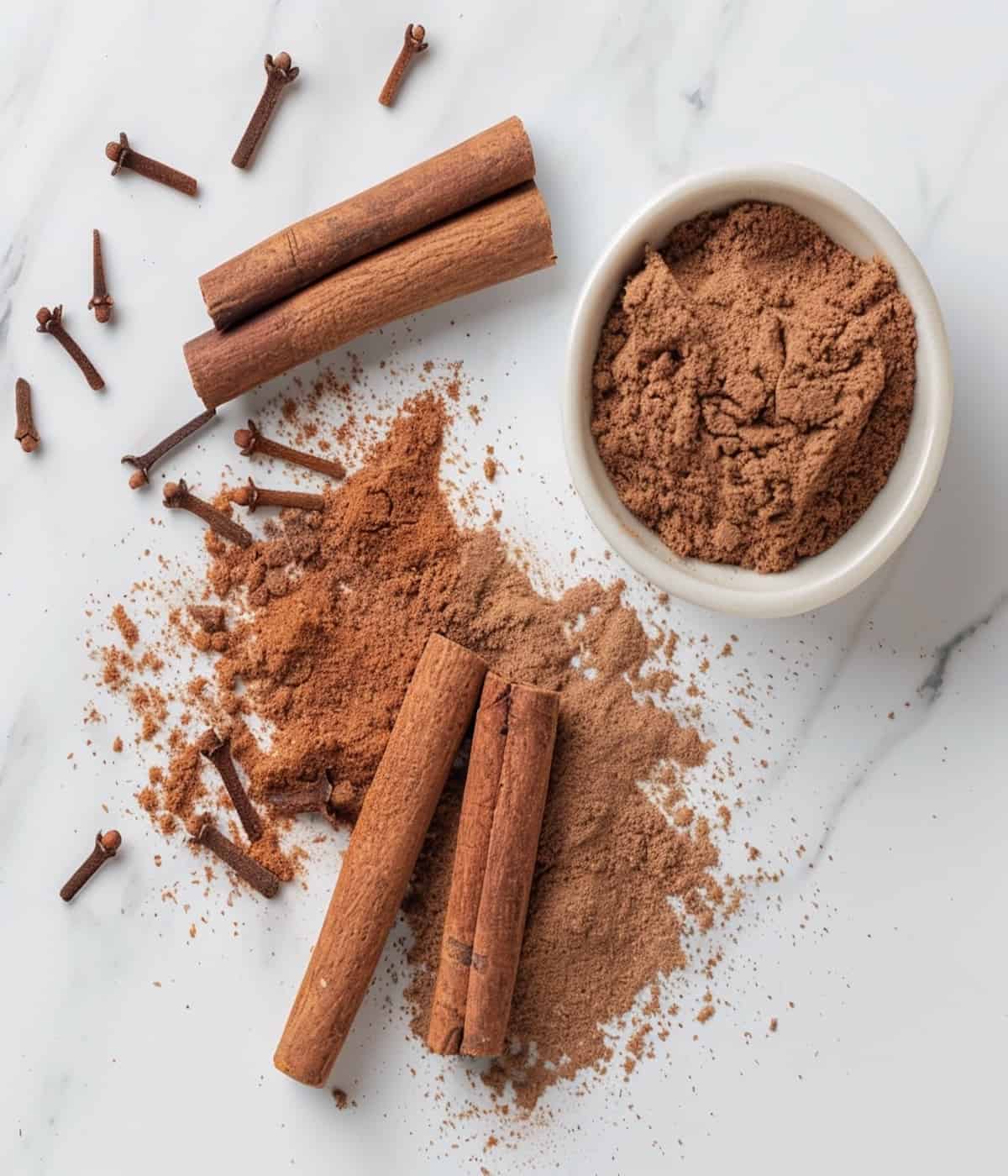
Cinnamon's journey begins in the lush landscapes of Sri Lanka, India, Bangladesh, and Myanmar, where it has been harvested for thousands of years. The spice made its way along the spice routes to the Middle East, Europe, and beyond, becoming one of the first global spices. Its warm, sweet, and slightly spicy flavor profile makes it versatile enough to star in a range of dishes, from the simplest cinnamon toast to complex, multi-spiced cakes and pastries.
Health Benefits: More Than Just a Flavor
Beyond its culinary uses, cinnamon is lauded for its health benefits. Rich in antioxidants, it has been used in traditional medicine to help with digestion, reduce inflammation, and even lower blood sugar levels. Its antibacterial properties also make it a natural preservative, perfect for keeping baked goods fresher for longer.
Cinnamon in Baking: A Symphony of Flavors
In baking, cinnamon's uses are as vast as they are delicious. Here are a few areas where cinnamon shines brightest:
- Cinnamon Rolls: Perhaps the most iconic cinnamon-infused baked good, these rolls encapsulate the essence of comfort food with their soft, doughy texture and gooey cinnamon filling.
- Spiced Cakes and Breads: From carrot cakes to apple pies, cinnamon adds a layer of warmth and spice that complements fruits and nuts beautifully.
- Cookies and Pastries: A dash of cinnamon can transform simple cookies into festive treats, perfect for holidays and celebrations.
How to Use Cinnamon in Baking
To harness the full potential of cinnamon in baking, consider these tips:
- Quality Matters: There are two main types of cinnamon: Ceylon (true cinnamon) and Cassia. Ceylon cinnamon is milder and sweeter, ideal for delicate desserts, while Cassia cinnamon is more robust, perfect for dishes that require a stronger cinnamon presence.
- Grind Your Own: For the freshest flavor, buy cinnamon sticks and grind them yourself. This will give your baked goods a more vibrant taste compared to pre-ground cinnamon.
- Balance is Key: Cinnamon is potent, so start with a small amount and adjust according to taste. It should complement other flavors, not overpower them.
Pairing Cinnamon with Other Flavors
Understanding how cinnamon interacts with other flavors can elevate your baking, adding depth and complexity to your dishes. Here are some classic and innovative pairings for cinnamon in the baking world:
Fruits
- Apples: Perhaps the most classic pairing, cinnamon and apples are a match made in heaven, perfect for pies, tarts, and crumbles.
- Pears: Cinnamon brings out the sweetness and subtle floral notes of pears, ideal for elegant desserts. like this Cinnamon Pear Gallete
- Bananas: Adding cinnamon to banana bread or muffins enhances the natural sweetness of the bananas.
- Berries: A dash of cinnamon can add a warm note to berry pies and jams, balancing their tartness.
Dairy
- Cream Cheese: Cinnamon swirls in a cream cheese frosting add a spicy kick to carrot cakes and red velvet cupcakes.
- Buttermilk: In pancakes or waffles, cinnamon and buttermilk offer a delightful tangy and sweet combination.
- Yogurt: Incorporating cinnamon into yogurt-based batters or toppings can add a warm flavor to coffee cakes and muffins.
Nuts and Seeds
- Walnuts and Pecans: Cinnamon complements the earthy, rich flavors of walnuts and pecans. Making for perfect spiced nut mixes or toppings for baked goods.
- Almonds: Cinnamon and almonds share a natural affinity, enhancing almond-based pastries, cookies, and marzipan.
Spices
- Nutmeg and Cloves: Together with cinnamon, these spices are often used in fall and winter recipes, offering a warm, aromatic blend that's perfect for pumpkin pies and spice cakes.
- Cardamom: Pairing cinnamon with cardamom can add an exotic, floral note to dishes, creating complex flavor profiles in sweet bread and pastries.
Chocolate and Coffee
- Chocolate: Cinnamon can intensify the flavor of chocolate, adding a new dimension to brownies, chocolate cakes, and hot cocoa.
- Coffee: Adding cinnamon to coffee-flavored desserts enhances the richness of the coffee and adds a warm, spicy note.
Sweeteners
- Honey and Maple Syrup: These natural sweeteners complement cinnamon's warmth, making for delicious glazes and drizzles for baked goods.
- Brown Sugar: Combining cinnamon with brown sugar creates a caramel-like flavor perfect for oatmeal cookies, crumbles, and streusels.
Others
- Vanilla: Vanilla's sweet, floral notes can soften cinnamon's spice, bringing balance to cakes and cookie dough.
- Pumpkin: Cinnamon is a key spice in pumpkin pie spice, enhancing the sweet, earthy flavor of pumpkin in pies, bread, and muffins.
- Orange Zest: The citrusy brightness of orange zest can lift cinnamon's warmth, adding a fresh dimension to cinnamon rolls and spiced loafs.
Experimenting with these pairings can lead to delightful results, allowing cinnamon's versatility to shine in your baking. Whether you're aiming for something traditionally comforting or uniquely sophisticated, cinnamon's ability to pair with a wide range of flavors makes it an invaluable spice in any baker's pantry.
Storage and Shelf Life
To preserve its flavor, store cinnamon in a cool, dark place in an airtight container. Ground cinnamon will stay fresh for about six months, while cinnamon sticks can last up to a year.
Types Of Cinnamon used in Baking
Cinnamon, one of the oldest and most popular spices in the world, is derived from the inner bark of trees in the Cinnamomum genus. There are several types of cinnamon, each
. The two most commonly used types of cinnamon in baking are Ceylon cinnamon and Cassia cinnamon. Understanding their differences can help bakers choose the right cinnamon for their recipes.
Ceylon Cinnamon (True Cinnamon)
- Origin: Native to Sri Lanka and the southern parts of India.
- Characteristics: Ceylon cinnamon is considered "true cinnamon" and is prized for its delicate, sweet flavor with hints of citrus. It has a tan-brown color and consists of thin, fragile layers that easily crumble into a fine powder.
- Use in Baking: Its subtle sweetness and mild flavor make it perfect for light pastries, desserts, and dishes where cinnamon is a primary but not overpowering flavor. Ideal for cinnamon-infused custards, creams, and delicate cakes.
Cassia Cinnamon (Chinese Cinnamon)
- Origin: Grown in China, Indonesia, and Vietnam.
- Characteristics: Cassia cinnamon is the more commonly found variety in supermarkets across North America. It's darker in color, has a thicker bark, and a stronger, more pungent flavor than Ceylon cinnamon. Cassia contains higher levels of coumarin, a compound that can be harmful in large amounts but is safe in culinary doses.
- Use in Baking: Its robust flavor is suited for recipes that require a bold cinnamon presence, such as cinnamon rolls, apple pies, and spice cakes. Cassia stands up well to baking and cooking, where its potent flavor can shine through.
Saigon Cinnamon (Vietnamese Cinnamon)
- Origin: Vietnam
- Characteristics: A subtype of Cassia cinnamon, Saigon cinnamon has an even stronger flavor and higher coumarin content. It's known for its sweet-spicy taste, making it highly sought after for both savory and sweet applications.
- Use in Baking: Ideal for recipes that call for a pronounced cinnamon flavor, such as snickerdoodle cookies, crumb toppings, and robust cinnamon bread. It adds a warm, spicy kick to any baked good.
Korintje Cinnamon (Indonesian Cinnamon)
- Origin: Indonesia, primarily Sumatra.
- Characteristics: This type of Cassia cinnamon is milder than its Vietnamese counterpart but stronger than Ceylon cinnamon. It strikes a balance between the sweet and spicy notes of cinnamon, making it a versatile option for various culinary uses.
- Use in Baking: Korintje cinnamon is commonly used in commercial baking and food production due to its balanced flavor profile. It's excellent for pies, pastries, and any recipe where a moderate cinnamon flavor is desired.
When choosing cinnamon for baking, consider the desired flavor intensity and the role cinnamon plays in your recipe. While Ceylon cinnamon brings a subtle, refined taste to delicate desserts, Cassia and its subtypes offer a more potent flavor suitable for bold, spiced treats. Experimenting with different types of cinnamon can lead to delightful discoveries and enhance your baking repertoire.


Leave a Reply