
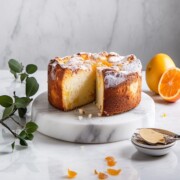
Welcome to the ultimate guide on why cakes can sometimes end up disappointingly hard. I totally understand the frustration of pouring your heart and soul into baking a c only to be met with a less-than-pleasing texture. This is your troubleshooting guide on Why is my cake hard?

So,
Why is my cake hard after baking ?
First and foremost, baking a perfect cake is a mix of precison, technique and art. But sometimes, cake failures happen to the best of us. And one most common problem is baking a cake rock hard.
It can be rock hard ans still taste delicious
It can be hard, but still have a right texture inside.
But a rock hard cake does not look appetizing. Here the cake baked looks fine from the inside, but is rock hard, slightly burnt, the inside was dry, bu the texture looks fine.
Jump to:
For more tips and trouble shooting guides
>> Why does my cake sink in the middle
>> Why is my Cake Dense and how to fix it
>> Learn how to prepare a cake pan properly
SO,
A cake can get hard for a number of reasons. these reasons will help you understand and pin point your mistakes and fix it the next time you are baking
1) Insufficient Moisture: A Common Culprit
One of the primary factors contributing to a hard cake is a lack of moisture. Moisture plays a crucial role in creating a soft and tender texture. If the batter is too dry, it can result in a dense and tough final product. Several factors can lead to insufficient moisture:
Inadequate Liquid Ingredients
When preparing a cake, it's essential to carefully measure and incorporate the liquid ingredients. The ratio of liquid to dry ingredients affects the final texture. If you inadvertently use too little liquid, it can result in a dry and hard cake. Ensuring accurate measurements and following the recipe guidelines diligently is key.
Incorrect Ingredient Ratios
The balance of ingredients in a cake recipe is crucial. Using too much flour or sugar relative to the liquid ingredients can lead to a dry and firm texture. It's essential to follow the recipe's precise measurements and ratios to achieve the desired results. Ensuring the correct proportions of dry and wet ingredients will help maintain the ideal moisture level.
2) Overmixing the Batter
Overmixing the cake batter can lead to gluten development, which contributes to a dense and tough texture. When gluten forms excessively, it inhibits the cake's ability to rise properly and traps air bubbles. Consequently, the cake can become dense and lose its softness. Be mindful when mixing the batter to avoid overmixing, aiming for a smooth but not overworked consistency.
3)Wrong Baking Time and Temperature
Proper baking time are vital to achieve a tender and moist cake. This will significantly impact the cake's texture, and can lead to a hard cake.
Overbaking
Baking a cake for too long can result in excessive moisture evaporation, leading to a dry and firm texture. It's crucial to follow the recipe's recommended baking time and periodically check for doneness using a toothpick or cake tester. When the toothpick comes out with a few moist crumbs clinging to it, the cake is perfectly baked. Avoid leaving the cake in the oven beyond this point to prevent it from becoming dry and hard.
Incorrect Oven Temperature
An incorrect oven temperature can affect the cake's rise and texture. If the oven is too hot, the cake's outer layers may set too quickly, preventing it from rising properly. On the other hand, if the oven temperature is too low, it may not bake evenly and could end up dense and heavy. Using an oven thermometer to ensure accurate temperature settings is highly recommended.
4) Inadequate Leavening Agents: The Importance of Rising Agents
Leavening agents, such as baking powder and baking soda, are responsible for creating air pockets leading to a light and fluffy texture. Insufficient or expired leavening agents can result in a cake that fails to rise adequately, leaving it dense and hard.
Expired or Inactive Leavening Agents
Always check the freshness of your leavening agents before baking. Expired or inactive baking powder or baking soda will not provide the necessary lift, resulting in a flat and dense cake. To test the potency of your leavening agents, you can conduct a simple home test. Combine a small amount with vinegar or hot water and observe if it fizzes. If not, it's time to replace them with fresh ones.
Inaccurate Leavening Agent Measurements
The precise measurement of leavening agents is crucial for achieving the desired texture . Using too little can result in the inadequate rise and a dense crumb, while using too much can lead to an overexpanded and collapsed cake. Follow the recipe instructions meticulously to ensure accurate measurements and a perfectly balanced cake
Solutions and Tips for a Moist and Tender Cake
Now that we have identified common causes of hard cakes, let's explore some solutions and tips to help you achieve moist and tender results every time:
1) Follow the Recipe Precisely
When baking a cake, it's crucial to follow the recipe instructions diligently. Pay attention to the recommended measurements, ingredient ratios, and mixing techniques outlined in the recipe. Deviations can significantly affect the final texture and consistency.
2) Properly Measure Ingredients
Accurate measuring of ingredients is vital for consistent baking results. Use proper measuring tools, such as measuring cups and spoons, and level off dry ingredients with a straight edge. This ensures you incorporate the precise amount of each ingredient and maintain the desired moisture level.
3) Avoid Overmixing
When combining the ingredients, mix just until they are incorporated. Overmixing the batter can result in excessive gluten development, leading to a dense and tough cake. Mix the ingredients until they are well combined, and the batter is smooth, but be cautious not to overwork it.
4) Test for Doneness and Avoid Overbaking
To avoid overbaking, periodically check the cake for doneness using a toothpick or cake tester. Insert it into the center of the cake, and if it comes out with a few moist crumbs clinging to it, the cake is ready to be removed from the oven. Trusting this test will help you achieve a perfectly baked and moist cake.
5) Store Properly
Once your cake has cooled completely, store it properly to maintain its moisture. Cover it tightly with plastic wrap or store it in an airtight container to prevent it from drying out. For added moisture, you can place a slice of bread or a damp paper towel in the container.
Conclusion
Baking a moist and tender cake requires attention to detail, accurate measurements, and proper baking techniques. By understanding the common culprits behind hard cakes and following the tips and solutions we provided, you can now embark on your baking journey with confidence. Remember, a soft and delectable cake is within your reach, and with practice, you'll master the art of achieving perfect texture and flavor.
Here are our other troubleshooting guides and tips on cake baking to help you bake perfect cakes always


Leave a Reply